Heat Pump vs Furnace: Which Is Right for Pickering Homes?
Choosing the right heating system is an important decision for homeowners in Pickering, especially as energy efficiency and long term operating costs become more significant. A Heat Pump is often discussed alongside traditional furnaces, and many residents compare a Heat Pump to other heating systems when planning upgrades or replacements. A Heat Pump can provide both heating and cooling, making a Heat Pump an appealing option in conversations about modern HVAC options. Understanding how a Heat Pump performs in Ontario’s climate is essential before deciding whether a Heat Pump or furnace is better suited for a specific home.
In discussions around Heat Pump technology, homeowners often ask how a Heat Pump compares to a furnace during cold winters. The debate around heat pump vs furnace Pickering homes face is influenced by climate, energy efficiency goals, and existing infrastructure. This guide explores how both systems work, their advantages and limitations, and how they fit into HVAC options for Ontario homes.
Understanding How Heat Pumps Work
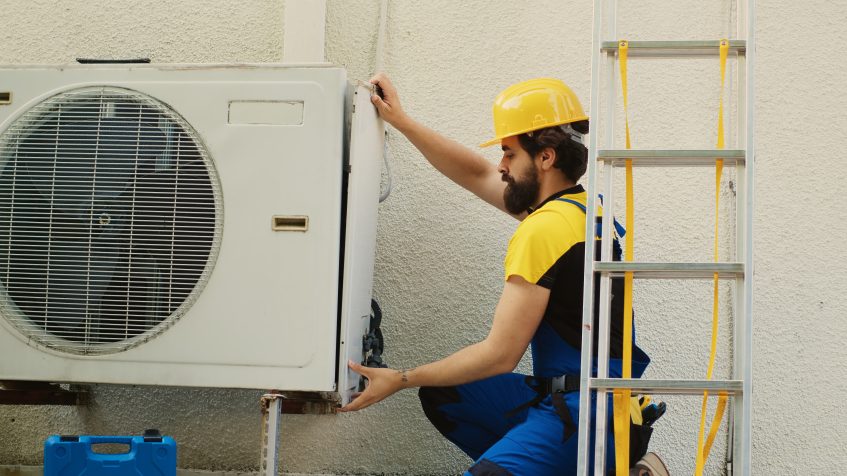
A Heat Pump operates by transferring heat rather than generating it. Even in cold weather, a Heat Pump extracts heat from the outside air or ground and transfers it indoors. This process makes a Heat Pump different from a furnace, which produces heat by burning fuel or using electric resistance.
Because a Heat Pump moves heat instead of creating it, it is often associated with energy-efficient heating. Modern systems are designed to operate effectively in cooler climates, although performance can vary based on temperature extremes and system design.
In Ontario homes, air source Heat Pump systems are the most common, while ground source systems are less frequent due to installation requirements. Understanding how each type functions helps homeowners evaluate whether a Heat Pump aligns with their expectations.
How Furnaces Operate in Pickering Homes
Furnaces remain a common heating choice across Pickering and surrounding areas. These systems generate heat using natural gas, oil, or electricity and distribute warm air through ductwork.
Gas furnaces are particularly popular due to their ability to deliver consistent heat during extremely cold weather. Many homes already have the necessary gas connections and duct systems, which simplifies replacement or upgrades.
Homeowners who rely on established furnace systems often prioritize reliability during winter peaks. Access to local furnace service pickering resources ensures timely inspections and system support when temperatures drop.
Comparing Energy Efficiency
Energy efficiency is a major factor when comparing a Heat Pump and a furnace. A Heat Pump typically uses less energy because it transfers heat rather than producing it through combustion.
In moderate temperatures, a Heat Pump can operate very efficiently, reducing overall energy consumption. However, efficiency can decrease during prolonged cold spells when the system must work harder to extract heat.
Furnaces, particularly high efficiency models, provide steady performance regardless of outdoor temperatures. While they consume fuel, modern designs are optimized to minimize waste and improve output.
The choice between these systems often depends on how homeowners weigh energy-efficient heating against performance consistency during extreme cold.
Climate Considerations in Pickering
Pickering experiences cold winters and variable seasonal conditions, which influence heating system performance. When evaluating heat pump vs furnace Pickering homeowners must consider how often temperatures drop below freezing and how long cold periods last.
A Heat Pump can manage mild to moderate cold effectively, but may rely on supplemental heating during severe cold snaps. Furnaces, especially gas models, are less affected by outdoor temperature changes.
Climate realities mean that HVAC options for Ontario homes must balance efficiency with reliability. This balance often shapes system selection decisions in the region.
Installation and Infrastructure Factors
The existing infrastructure of a home plays a major role in determining which system is more suitable. Homes with existing ductwork may find furnace replacements more straightforward, while Heat Pump installations may require system modifications.
Electrical capacity is another consideration. A Heat Pump relies on electricity, and older homes may need electrical upgrades to support the system.
Space availability also matters. Outdoor units are required for most Heat Pump systems, while furnaces are typically installed indoors. Understanding these practical factors helps homeowners plan realistically.
Cost Considerations Over Time
Initial installation costs and long term operating expenses differ between systems. A Heat Pump often has higher upfront costs due to equipment and installation complexity.
Operating costs may be lower depending on electricity rates and system efficiency. Over time, energy savings can offset installation expenses in some cases.
Furnaces usually have lower upfront replacement costs, particularly when existing infrastructure is reused. Fuel costs, however, contribute to ongoing expenses.
Maintenance requirements also affect overall costs. Regular furnace repair and inspections help maintain efficiency and system lifespan.
Hybrid Systems as a Middle Ground
Hybrid systems combine a Heat Pump with a furnace, allowing the system to switch between technologies based on outdoor temperature. This approach addresses performance concerns during extreme cold while retaining efficiency during milder conditions.
Hybrid systems are increasingly discussed as a flexible option for Ontario homes. They allow homeowners to benefit from a Heat Pump when conditions are favorable and rely on a furnace during peak cold.
This adaptability aligns well with variable climates and evolving energy priorities. Hybrid systems are often considered when homeowners want both efficiency and reliability.
Maintenance and Long Term Performance
Maintenance needs differ between systems but remain essential for both. A Heat Pump requires regular inspections of coils, refrigerant levels, and electrical components.
Furnaces need burner checks, airflow assessments, and safety inspections. Routine furnace maintenance richmond hill services highlight the importance of consistent care in extending system life.
Neglecting maintenance can reduce efficiency and increase the likelihood of breakdowns. Regular service supports performance regardless of the system type chosen.
Environmental Impact Considerations
Environmental impact is increasingly part of heating system decisions. A Heat Pump produces fewer direct emissions because it does not rely on combustion.
Furnaces that use natural gas generate emissions, though high efficiency models reduce waste. Environmental priorities may influence whether homeowners lean toward electric or fuel based systems.
The broader energy grid also plays a role. As electricity generation becomes cleaner, the environmental advantages of a Heat Pump may increase over time.
Practical Decision Factors for Homeowners
When deciding between a Heat Pump and a furnace, homeowners often evaluate multiple practical factors:
- Existing heating infrastructure and fuel availability
- Local climate patterns and winter severity
These considerations help narrow down suitable HVAC options for Ontario homes and support informed decision making.
Steps to Evaluate the Right System
A structured approach helps homeowners assess which system fits their needs:
- Review current heating performance and energy usage
- Consider long term energy efficiency goals
- Assess infrastructure readiness and installation requirements
This process clarifies whether a Heat Pump, furnace, or hybrid system aligns best with household priorities.
Local Service and Support Importance
Access to local expertise supports both installation and long term system care. Professionals familiar with regional conditions understand how systems perform in Pickering’s climate.
Reliable furnace service pickering and related resources provide homeowners with information on inspections, repairs, and seasonal readiness. Local support contributes to system longevity and peace of mind.
Conclusion
The decision between a Heat Pump and a furnace involves careful consideration of climate, energy efficiency, infrastructure, and long term goals. For homeowners comparing heat pump vs furnace Pickering options, understanding how each system performs in Ontario conditions is essential. A Heat Pump offers energy-efficient heating and flexibility, while furnaces provide consistent performance during extreme cold. Hybrid systems bridge the gap by combining both technologies.
By evaluating practical factors and maintenance requirements, homeowners can choose HVAC options for Ontario homes that align with comfort needs and efficiency priorities. An informed approach ensures that the selected system supports both present comfort and future energy considerations.
Frequently Asked Questions
1. Is a Heat Pump effective during Pickering winters?
A Heat Pump can handle mild to moderate cold effectively. During extreme cold, supplemental heating or hybrid systems may be required.
2. How does heat pump vs furnace Pickering comparisons affect energy costs?
Energy costs depend on electricity and fuel prices, system efficiency, and usage patterns. A Heat Pump may reduce costs during milder seasons.
3. Are hybrid systems suitable for Ontario homes?
Hybrid systems are well suited to variable climates and allow flexibility between electric and fuel based heating.
4. Does a furnace require more maintenance than a Heat Pump?
Both systems require regular maintenance. The type of service differs, but consistent inspections are essential for performance.
5. Can existing ductwork be used for both systems?
Yes, most Heat Pump systems and furnaces use ductwork, though modifications may be needed depending on system design.