5 Ways to Reduce Heating Costs Without Sacrificing Comfort
If you live in Ontario, you already know that winters can be long and cold. As temperatures drop, many homeowners search for practical ways to reduce heating costs GTA households often face during the winter months.
Heating expenses can rise quickly, especially when systems work harder to maintain indoor comfort. However, lowering heating bills does not mean you have to sacrifice warmth or convenience.
By improving furnace efficiency, adjusting thermostat settings, and improving home insulation, homeowners can reduce energy use while maintaining a comfortable indoor environment.
For instance, homeowners who regularly schedule furnace service in Richmond Hill often experience better heating performance and lower energy bills. Proper maintenance ensures the heating system operates efficiently throughout the winter season.
In this guide, we will explore five practical strategies that can help you reduce heating costs GTA homeowners face while still keeping your home warm and comfortable.
Why Heating Costs Are High in the GTA
Before exploring solutions, it is helpful to understand why heating costs are often high across the Greater Toronto Area.
Ontario winters frequently bring freezing temperatures, snowstorms, and long periods of cold weather. During these months, heating systems run for extended hours to maintain indoor comfort.
Older homes may also experience higher energy use due to poor insulation, outdated heating equipment, or air leaks around windows and doors.
In addition, inefficient furnace operation can increase energy consumption. A poorly maintained furnace must work harder to produce heat, which results in higher monthly bills.
Fortunately, homeowners can make several adjustments that improve heating efficiency and lower energy expenses.
1. Use Programmable Thermostat Tips for Better Temperature Control
One of the simplest ways to reduce heating costs GTA homeowners face is by using a programmable thermostat.
A programmable thermostat allows you to automatically adjust temperatures throughout the day. For example, you can lower the temperature while you are asleep or away from home and raise it before you return.
This simple change reduces unnecessary heating without affecting comfort.
Experts often recommend lowering your thermostat by a few degrees during sleeping hours. Even small adjustments can lead to noticeable savings over time.
Many modern thermostats also offer smart features. These devices learn your daily habits and automatically adjust settings for optimal energy efficiency.
Because of these benefits, programmable thermostat tips are often recommended as a first step toward improving winter energy savings.
2. Improve Furnace Efficiency with Regular Maintenance
Furnace efficiency plays a major role in overall heating costs. When a furnace operates efficiently, it produces more heat while using less energy.
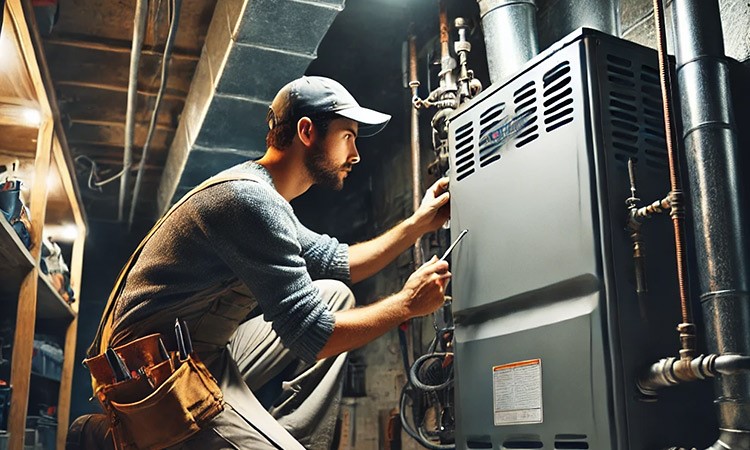
Regular maintenance ensures that your heating system runs smoothly. During a professional inspection, technicians check filters, burners, and internal components for wear or damage.
Cleaning and replacing air filters is especially important. Dirty filters restrict airflow, forcing the furnace to work harder to heat the home.
Professional HVAC providers such as Super Green HVAC offer maintenance services that help homeowners keep their heating systems operating efficiently during the coldest months.
Improving furnace efficiency not only helps reduce heating bills but also extends the lifespan of your heating equipment.
3. Upgrade Your Home’s Insulation
Another effective strategy to reduce heating costs GTA homeowners experience is improving home insulation.
Insulation helps retain warm air inside your home while preventing cold air from entering. Without proper insulation, heated air can escape through walls, ceilings, and attics.
Attic insulation is particularly important because heat naturally rises. Poor attic insulation can lead to significant heat loss during winter.
In addition, sealing gaps around windows and doors helps prevent drafts. Weatherstripping and caulking are simple upgrades that can make a noticeable difference.
These insulation benefits allow your heating system to maintain indoor temperatures more efficiently. As a result, your furnace runs less frequently, reducing energy use.
4. Use Zoning Systems to Heat Your Home Efficiently
Heating every room in your house equally is not always necessary. Many homeowners spend money heating spaces that are rarely used.
A zoning system divides the home into separate heating areas. Each zone can have its own thermostat, allowing you to control temperatures individually.
For example, you may choose to keep bedrooms slightly cooler during the day while maintaining warmer temperatures in living areas.
This targeted approach improves comfort and reduces unnecessary energy use.
Zoning systems are particularly useful in larger homes or properties with multiple floors. By focusing heat where it is needed most, homeowners can further reduce heating costs GTA families often experience during winter.
5. Improve Air Circulation for Better Heat Distribution
Good air circulation plays a key role in maintaining comfortable indoor temperatures. When warm air moves freely throughout the house, the heating system works more efficiently. Poor circulation can create uneven heating, causing the furnace to run longer.
Simple changes can improve airflow. For example, keep vents and registers clear of furniture or curtains.
Ceiling fans can also help distribute warm air more evenly. Running a ceiling fan at low speed in reverse pushes warm air downward, improving comfort without additional heating.
Regular duct cleaning may also help improve airflow in older homes. Together, these steps help your heating system operate more effectively while keeping energy consumption under control.
Additional Tips for Lower Heating Bills in Ontario
In addition to the five strategies above, several smaller habits can help reduce heating expenses. First, close curtains or blinds at night to reduce heat loss through windows. Thick curtains provide additional insulation against cold outdoor temperatures.
Second, open curtains during sunny days. Natural sunlight helps warm interior spaces and reduces reliance on the furnace. Third, consider upgrading older heating equipment. Modern high-efficiency furnaces use less energy while delivering better heating performance.
Finally, monitor your monthly energy usage. Tracking heating costs helps identify patterns and opportunities for improvement.
If you want personalized advice about improving heating efficiency, you can always get in touch with HVAC professionals who can evaluate your system and recommend upgrades.
Conclusion
Winter heating expenses can be a major concern for homeowners across Ontario. However, there are several practical steps you can take to reduce heating costs GTA households often experience during the cold season.
By using programmable thermostats, maintaining furnace efficiency, improving insulation, and optimizing airflow, homeowners can significantly reduce energy consumption while keeping their homes comfortable.
Small improvements often lead to noticeable savings over time. Even simple habits, such as adjusting thermostat settings or sealing drafts, can make a meaningful difference in monthly heating bills.
With the right approach and regular HVAC maintenance, it is possible to enjoy a warm and comfortable home while keeping heating costs under control throughout the winter.
Frequently Asked Questions
1. What is the easiest way to reduce heating costs in the GTA?
Using a programmable thermostat is one of the easiest solutions. It automatically adjusts temperatures based on your schedule, helping reduce energy use without affecting comfort.
2. How often should I service my furnace?
Experts recommend scheduling furnace maintenance at least once per year, ideally before winter begins. Regular service improves furnace efficiency and helps prevent breakdowns.
3. Does insulationreally lowerheating bills?
Yes. Proper insulation reduces heat loss and helps maintain indoor temperatures. This means your furnace runs less often, which lowers energy costs.
4. Are smart thermostats worth it?
Smart thermostats offer advanced scheduling, remote control, and energy monitoring features. Many homeowners find they help improve comfort while reducing heating expenses.
5. Can improving airflow help reduce heating costs?
Yes. Proper airflow allows warm air to circulate evenly throughout the home, reducing the amount of time the heating system must run.